Travertine dining tables: the mistake to avoid, and how to care for one
Why filling travertine’s holes is a mistake, how to seal it or leave it open, and how to care for a travertine dining table.
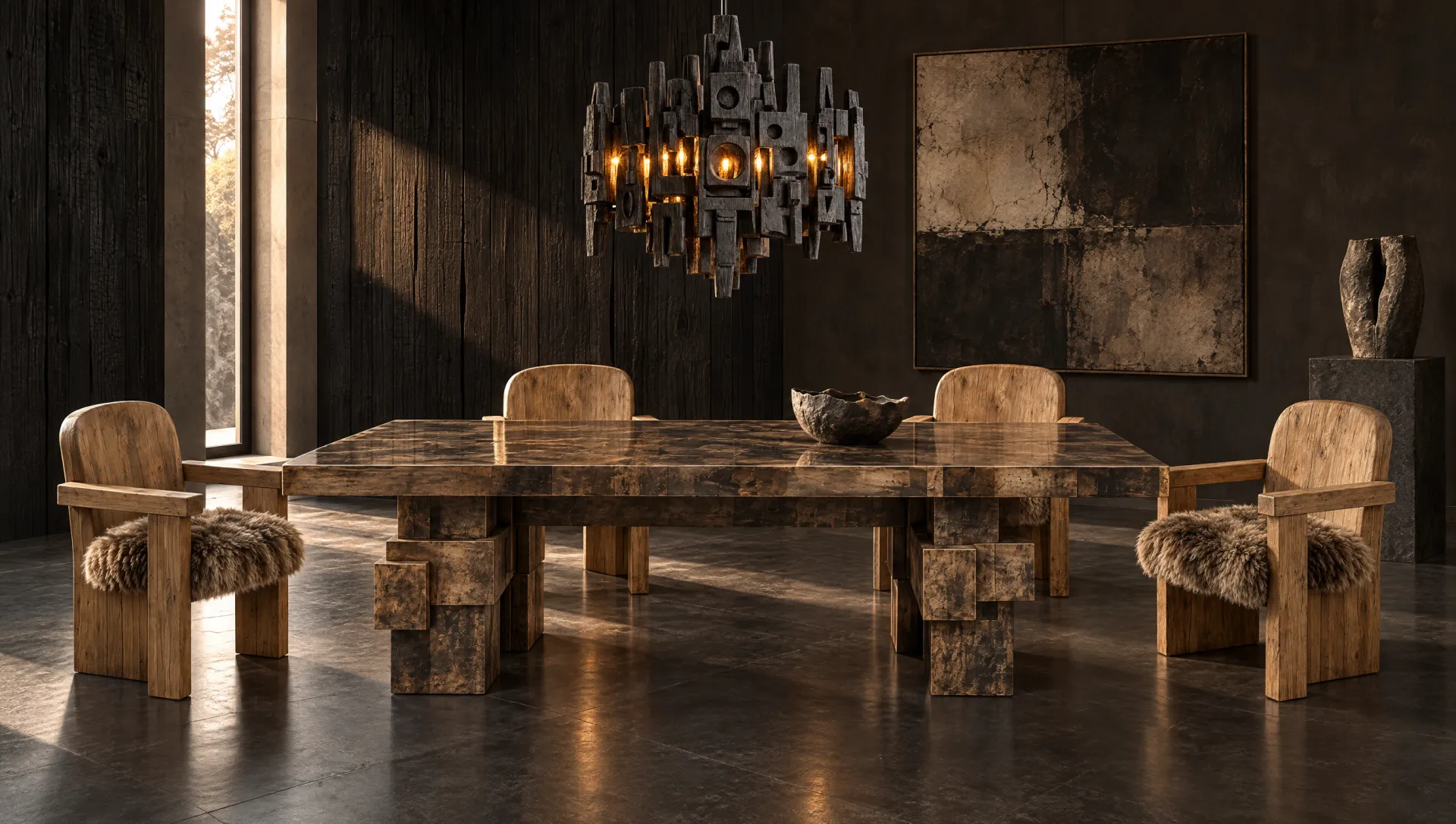
A travertine dining table is one of the few pieces that can carry a whole room on its own. It is also one of the easiest to get wrong, and the most common mistake happens before the table is even made.
Start with colour, because no two stones match
Travertine comes in a wider range than most people expect. It runs from an almost chalk white to a deep oxblood, with every shade of beige, sand and pink in between. There is no right answer here. It is a personal choice, and the best way to make it is to see real samples in the light of the room the table will live in.
The mistake: filling the holes
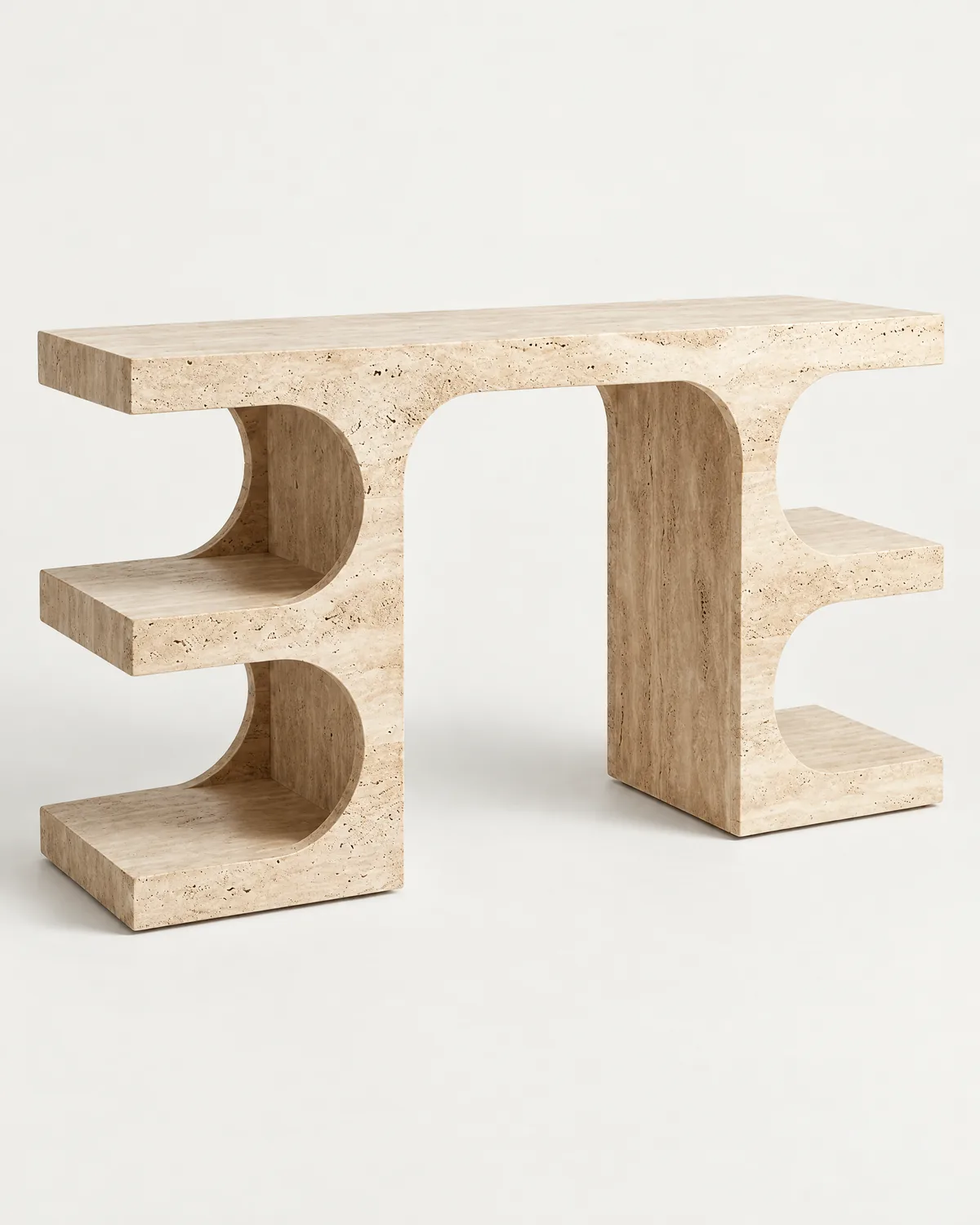
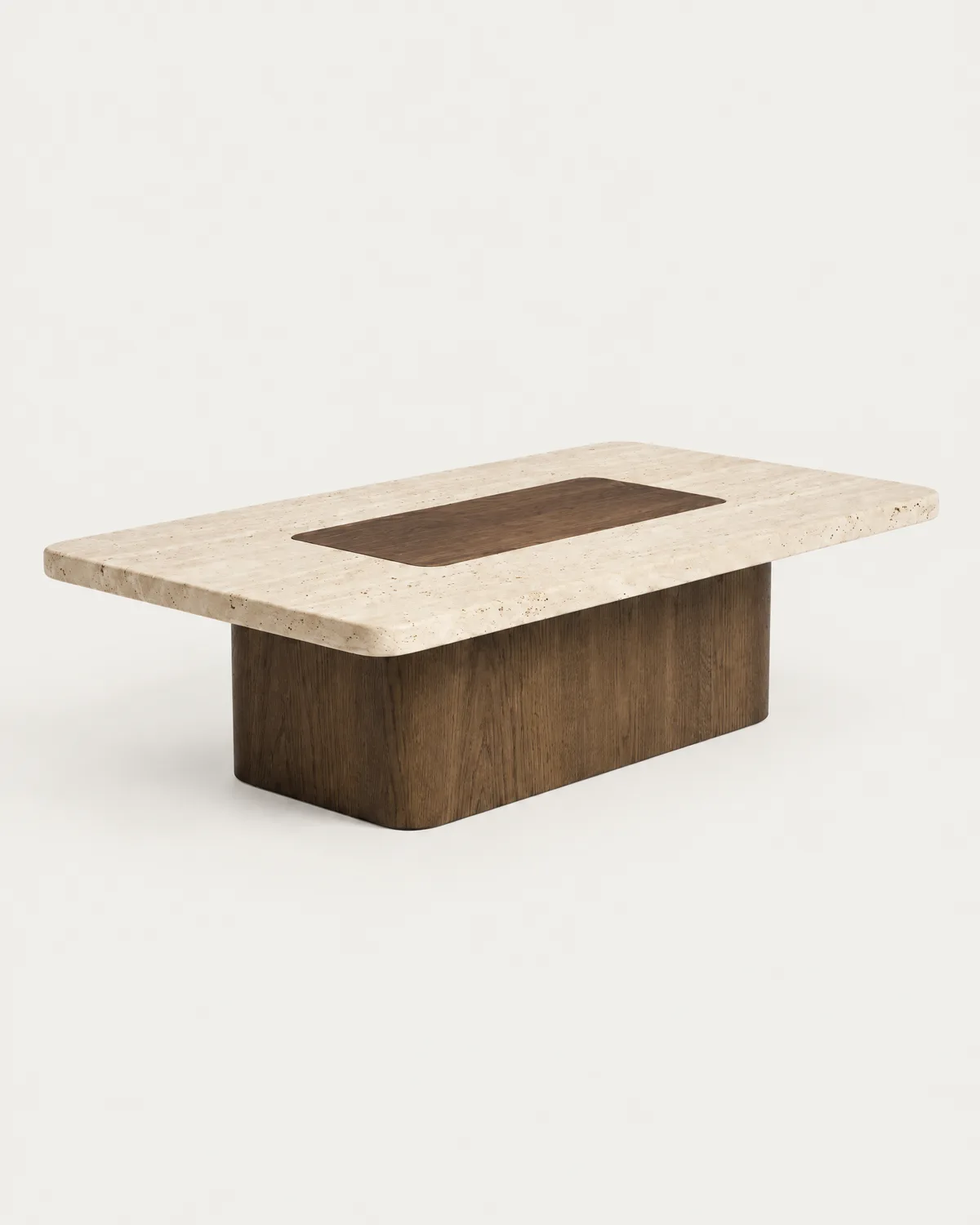
Travertine is a porous stone. Its surface is full of small holes and craters, left by the way it formed. Many manufacturers and designers fill those holes to make the top flat and uniform.
Stephen Lasker, founder of The Source, calls that blasphemy. The holes and craters, he says, are “what gives it its natural beauty.” Fill them and you are left with a stone that looks like an imitation of itself.
How to protect it without losing its character
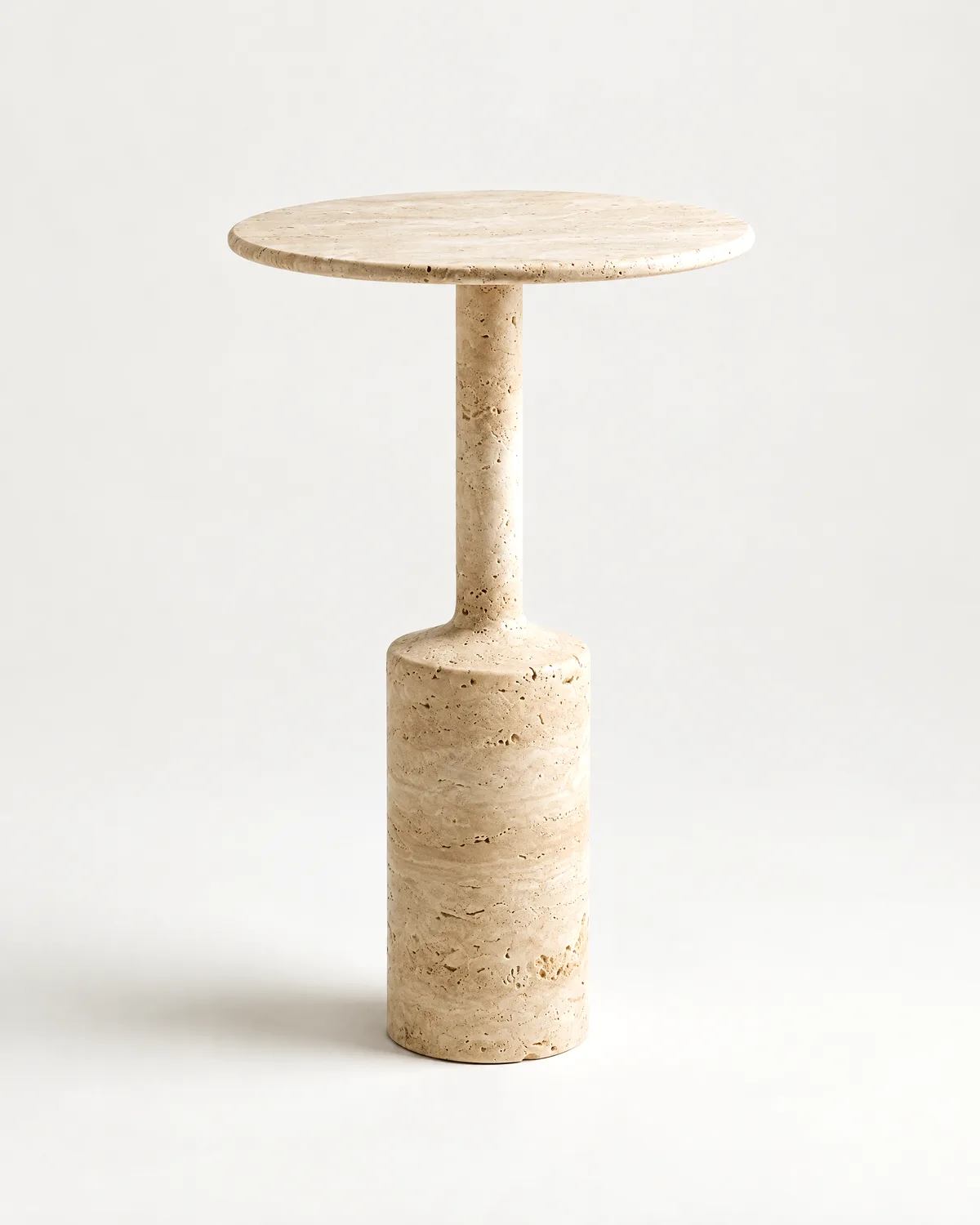
The answer is not to fill the stone but to seal it. A clear, industrial-strength resin makes the surface far less porous, so it stands up to daily use, while the texture you chose the stone for stays visible.
If what you really want is a perfectly smooth top, Stephen’s advice is simple: choose a different stone. Quartz or marble will give you that finish with less labour, and you will not be fighting the nature of the material.
Or leave it open, and let it live
Sealing is not the only choice. When one client renovated his coastal villa, his designer pushed hard for a sealed, resin-coated finish on his large travertine dining island, to protect it from family life. He fell for the raw, velvety texture of open travertine instead: unfilled, unsealed, its natural pits left exposed.
Within six months the table carried the marks of a home in use: a pale ring from an iced pitcher, a faint shadow of red wine from a dinner party. Friends worried. He did not. To him the stone wasn’t ruined, it was breathing, and it built a patina no resin could ever manufacture.
Caring for travertine
- Clean gently
- A damp microfiber cloth with warm water and a few drops of a neutral, pH-balanced soap made for natural stone.
- Avoid harsh chemicals
- No vinegar, lemon or citrus sprays, window cleaner, bleach, ammonia or abrasive pads. They etch the stone, and on unsealed travertine the damage is permanent.
- Blot spills
- Blot rather than wipe, straight away, especially coffee, wine, oil and juice, which soak into open pores.
- Use barriers
- Coasters, placemats and felt pads keep moisture, grease and grit off the surface.
Travertine dining table: pros and cons
- Pros
- A natural, one-of-a-kind surface; a wide colour range from chalk white to oxblood; a warm, sculptural presence that works in minimal and traditional rooms alike.
- Cons
- It is porous, so it either needs a sealing finish or will build a patina from daily life; it is heavy; and if you want a flawless, uniform surface, another stone will suit you better.
What to ask your maker
- 1
- Will the holes be filled, or left open and sealed?
- 2
- What finish will protect the surface, and how is it applied?
- 3
- Can I see samples of the exact stone before production starts?
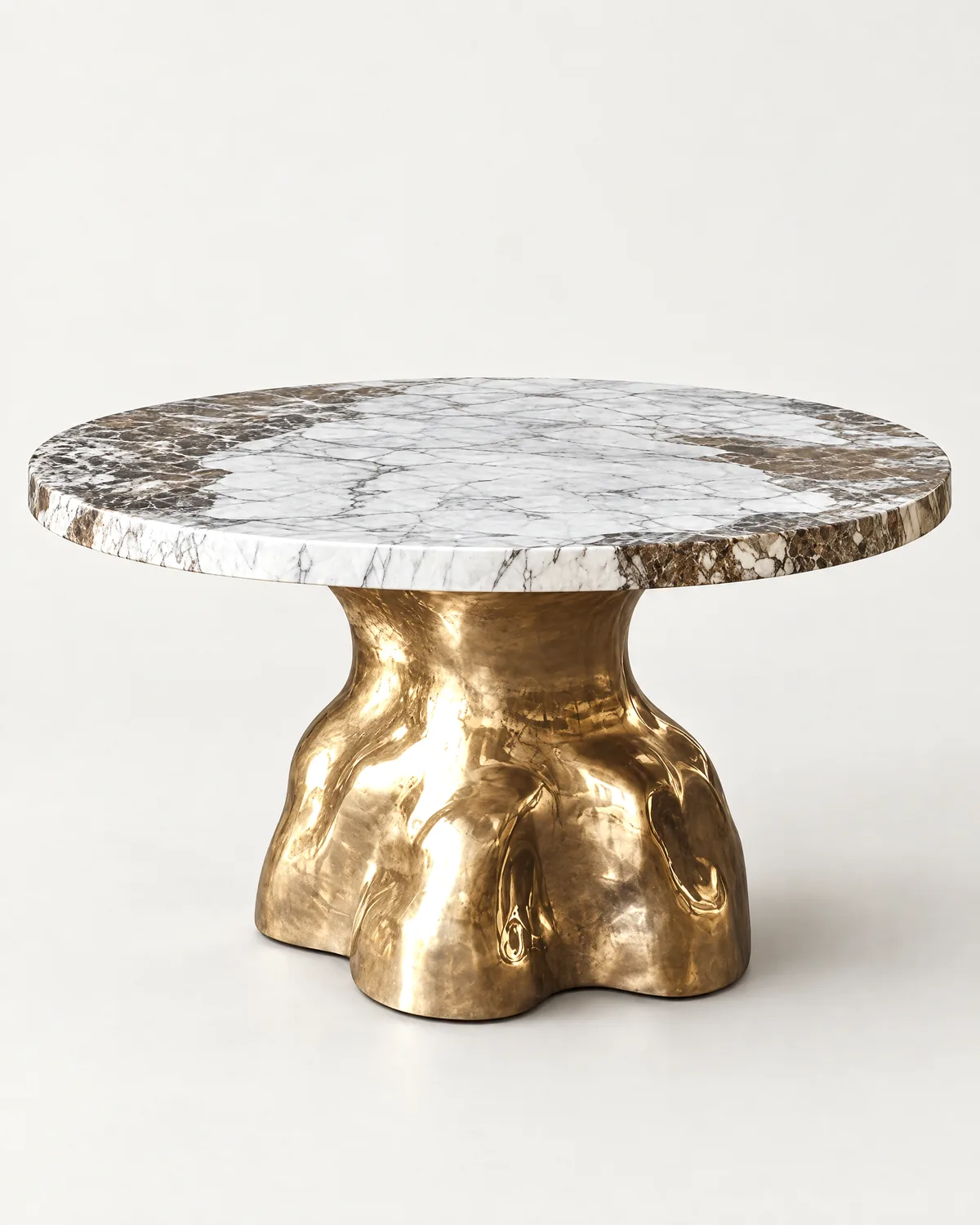
Our TSUBŪ collection includes a pedestal dining table made for exactly this kind of statement piece.