How to tell good teak from cheap teak: a dining table guide
Feel, grain, finish and the underside test: how to judge a teak dining table, how teak ages indoors and how to care for it.
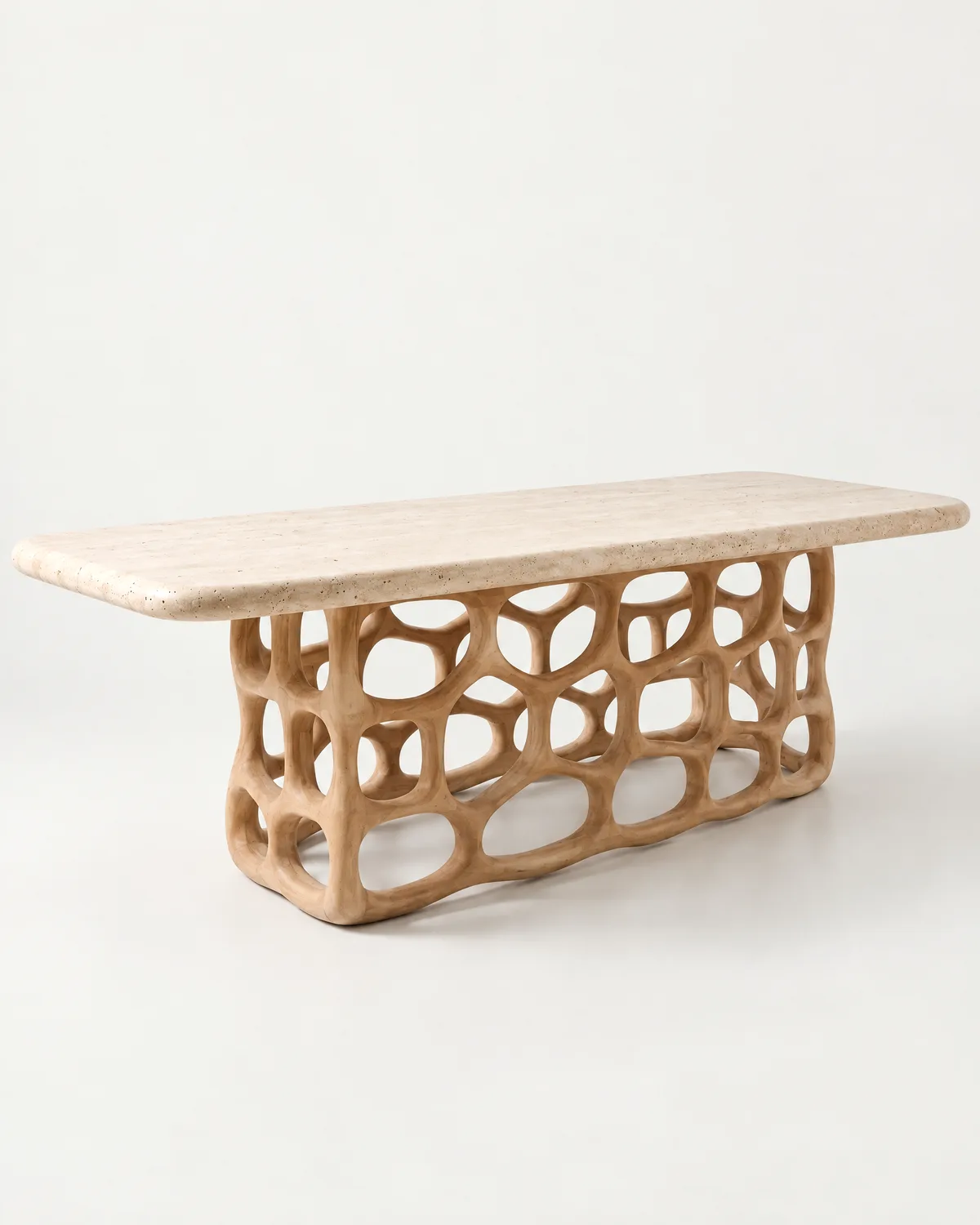
Two teak dining tables can look almost identical in a photo and be worlds apart in quality. Here is how Stephen Lasker, who has worked with teak for decades, tells them apart.
Feel the wood
Teak is an oily wood, and you can feel it in freshly cut teak. Cheap teak, once cut, feels dry to the touch.
There is a catch. To be ready for furniture, teak has to be dried to under 10% moisture content. That drying takes away some of the oil and closes some of the pores. But in good teak, the richness of the wood stays.
Look at the colour and the grain
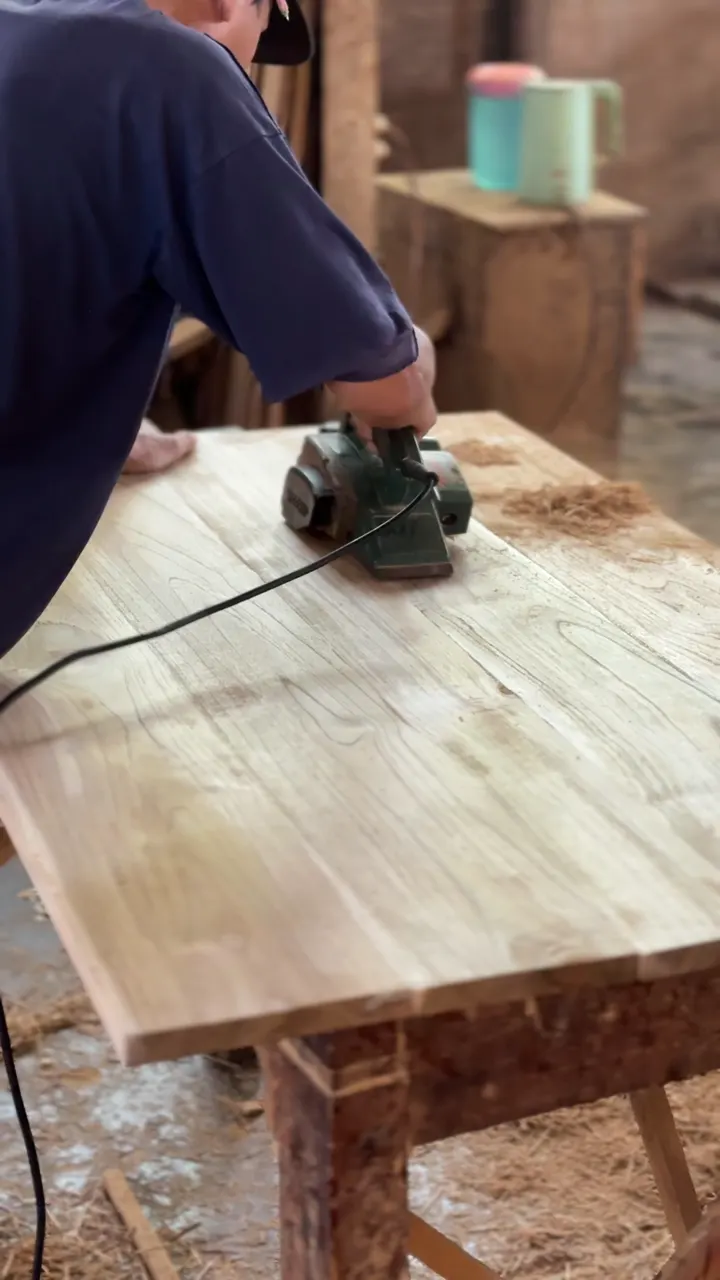
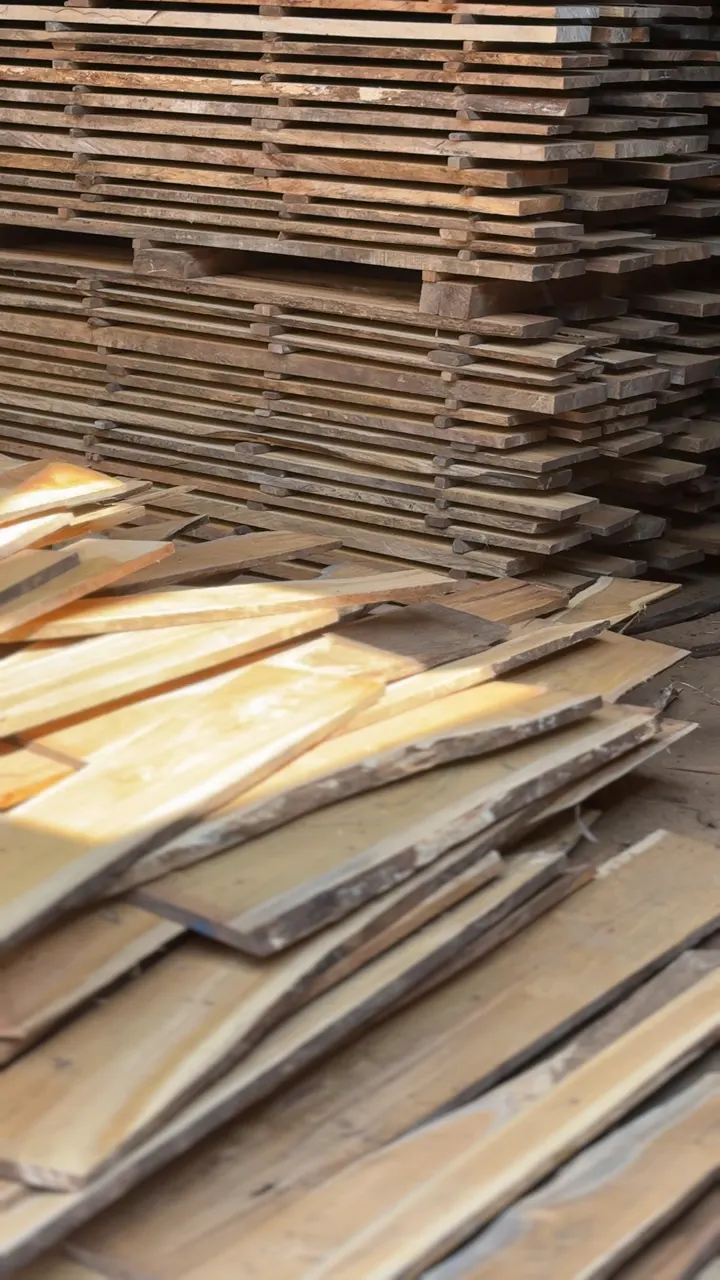
Higher quality teak mostly comes from older trees. You can see it in a deeper, richer colour and a more defined grain. Cheaper teak tends to have more knots in its raw form.
Watch out for heavy finishes
This is where cheap teak hides. A thick synthetic finish can make a lower grade of wood look solid and even, covering the knots and the dull colour underneath. A finish should protect teak, not disguise it.
The underside test
Stephen’s simplest check: look at the top of the table, then look underneath. In good quality teak, the grain pattern on top repeats on the underside. It is one piece of wood, all the way through.
How teak changes indoors
Outdoors, sun and rain turn teak a silvery grey. Indoors it does the opposite. Over the years it deepens, moving from a warm golden honey to a rich amber or deep brown.
Daily handling adds to it. The natural oils from people’s hands meet the wood’s own oils and build a smooth, silky sheen, a living patina that grows more lustrous with time.
Caring for indoor teak
Because teak is so naturally oily, it needs very little. Dust it with a dry microfiber cloth and wipe it with a damp one. Skip heavy commercial polishes and synthetic varnishes, which suffocate the wood. If it ever looks dry, an occasional coat of natural teak oil or mineral oil brings back its glow.
The batch Stephen walked away from
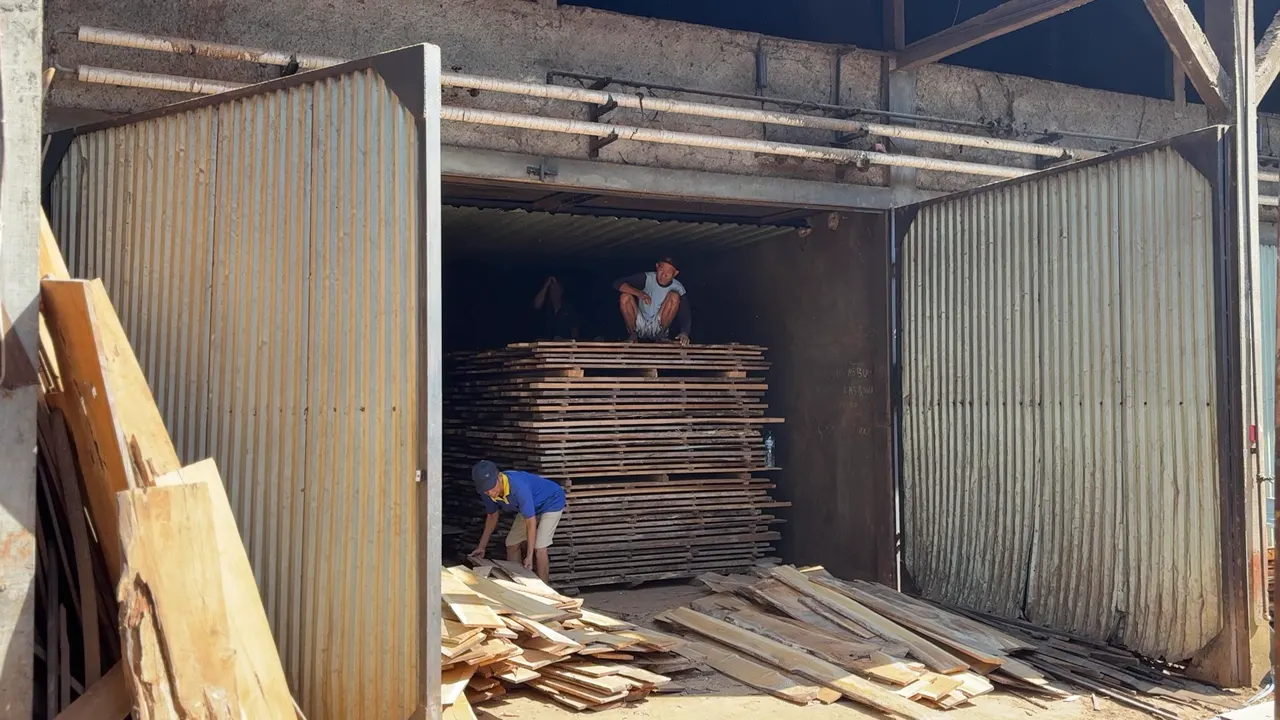
Stephen was in a busy workshop yard in Central Java, inspecting reclaimed structural timbers meant for a signature dining table. Everything looked right until his hand crossed the main tabletop slab.
He knew at once. The workshop had rushed the drying, and the teak had lost the dense, resinous weight and oil balance that give the wood its soul. It felt thirsty, brittle and flat: timber that would crack in the dry air of an indoor room and never build that warm patina.
He walked away from the whole batch on the spot. For Stephen, a table should not just be made of teak. The teak has to be right at its core.
Quick checklist
- Colour
- Does the wood have depth of colour, or does it look flat?
- Grain
- Is the grain defined, with few knots?
- Finish
- Is the finish thin enough to see the wood through it?
- Underside
- Does the grain on top match the grain underneath?
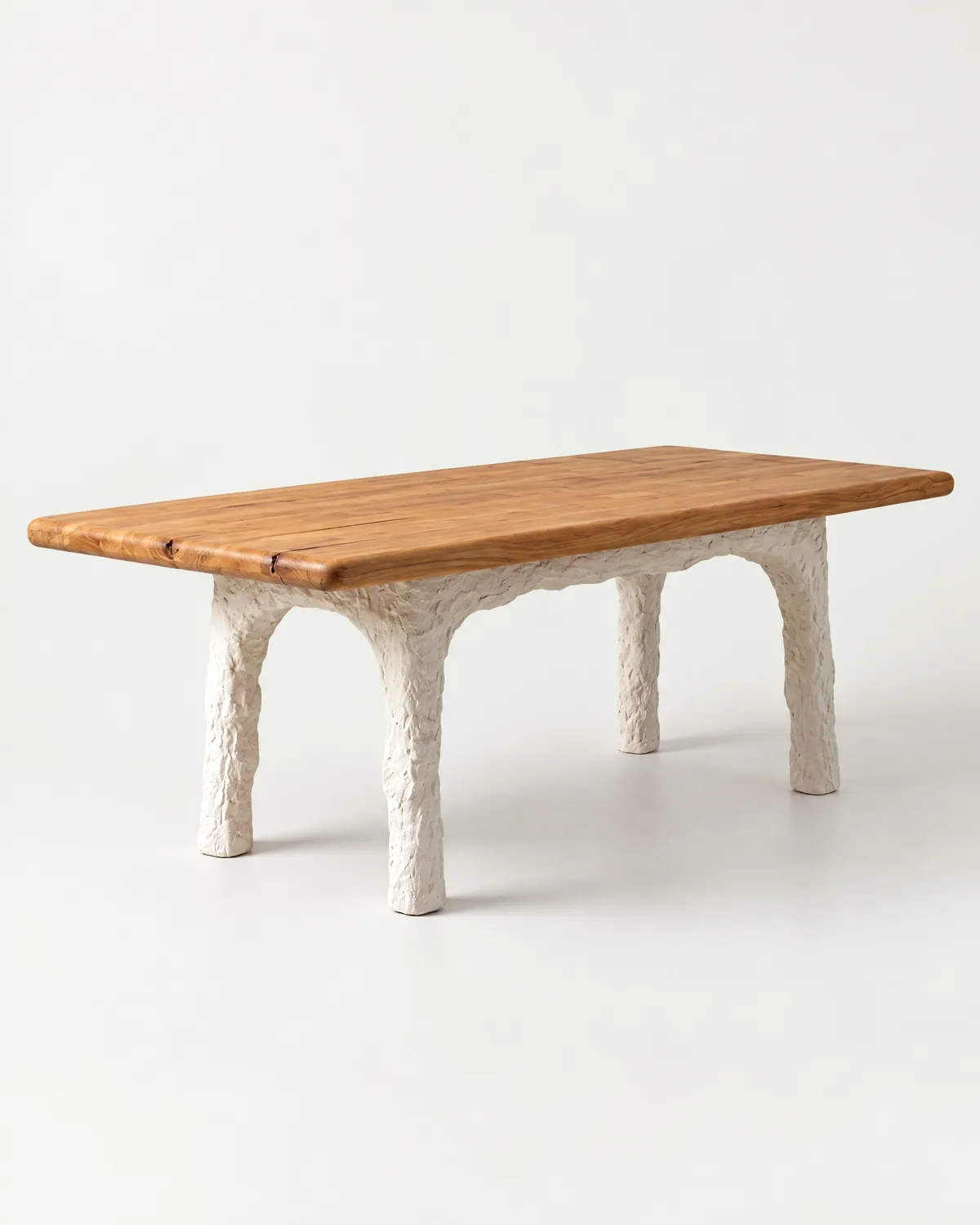
Every table in our ROOT 2 collection is made in hand-worked teak.